
Intel GD82559ER: The Legacy Ethernet Controller that Powered a Generation of Network Connectivity
In the late 1990s and early 2000s, as the internet began its transformative ascent into homes and businesses worldwide, a critical piece of hardware sat silently at the heart of millions of computers: the Intel GD82559ER Ethernet Controller. This unassuming chip was far more than just a component; it was the bedrock of reliable wired network connectivity for an entire generation of PCs, becoming one of the most iconic and widely used networking controllers in history.
The GD82559ER was a member of Intel's renowned 8255x family of Ethernet controllers, a series celebrated for its robustness and integration. At its core, the chip implemented the IEEE 802.3 standard for 10/100 Mbps Fast Ethernet, offering a significant speed upgrade over older 10 Mbps-only hardware. This auto-negotiating capability allowed it to seamlessly connect with both older and newer network hardware, ensuring smooth transitions as network infrastructures evolved. Its integration was a key factor in its success; it was a single-chip Physical Layer (PHY) and Media Access Control (MAC) solution, making it an attractive, cost-effective option for motherboard manufacturers.
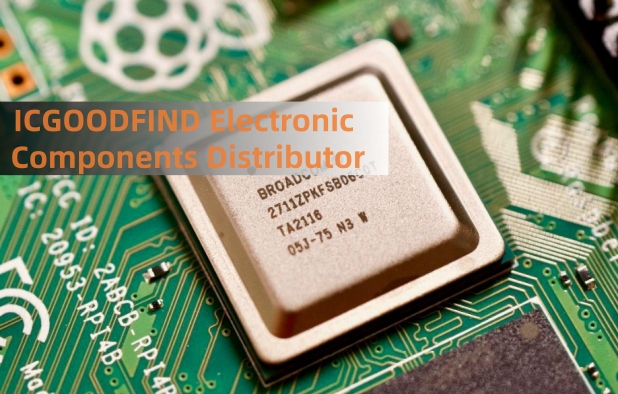
The impact of the 82559ER was felt most profoundly through its pervasive adoption. It was the de facto standard integrated LAN (Local Area Network) controller on corporate desktop motherboards, servers, and even high-end workstations for years. For IT departments, its prevalence was a blessing. The widespread use of a single, well-supported controller simplified driver management, deployment of system images, and troubleshooting. Its legendary stability and exceptional driver support across multiple operating systems, from Windows NT to early versions of Linux, meant that "it just worked," a coveted trait in enterprise environments where network downtime was unacceptable.
The technical architecture of the GD82559ER contributed significantly to its performance. It featured a highly efficient PCI bus interface that minimized CPU overhead, a critical consideration in an era where processor cycles were a precious commodity. It also supported advanced features like Wake-on-LAN (WoL), which allowed network administrators to power on computers remotely for maintenance, a feature that became a staple in enterprise PC management.
While surpassed by modern Gigabit and 10-Gigabit controllers, the legacy of the Intel GD82559ER is enduring. It provided the reliable, ubiquitous connectivity that helped fuel the dot-com era and the early commercial internet. It demystified networking for the average user and provided the dependable backbone for the first truly connected generation of computers. It stands as a testament to an era of engineering where reliability and widespread compatibility were the primary goals, objectives it achieved spectacularly.
ICGOOODFIND: The Intel GD82559ER was not merely a component but an industry-defining standard. Its unparalleled adoption, rock-solid reliability, and seamless integration cemented its role as the foundational technology that connected a critical period of digital growth, making it a true legend in the annals of computing hardware.
Keywords: Intel 82559ER, Fast Ethernet Controller, Legacy Network Hardware, PCI Network Interface Card, Integrated LAN

